start_date.Everest Base Camp Trek
The Everest Base Camp (EBC) Trek is one of the most iconic and breathtaking trekking adventures in the world. It takes trekkers through the heart of the Himalayas, offering stunning views of the highest peaks, including Mount Everest (8,848m), Lhotse, and Ama Dablam. The journey provides a unique cultural experience as it passes through traditional Sherpa villages, ancient monasteries, and bustling mountain towns like Namche Bazaar. With proper acclimatization, this trek is achievable for most adventure seekers and is a bucket-list experience for those looking to witness the majesty of the world’s tallest mountain up close.
Itinerary
- Arrive in Kathmandu, Nepal’s capital.
- Transfer to hotel and meet your trek guide.
- Explore Thamel for gear shopping or local eateries.
- Attend a pre-trek briefing and equipment check.
- Overnight in Kathmandu.
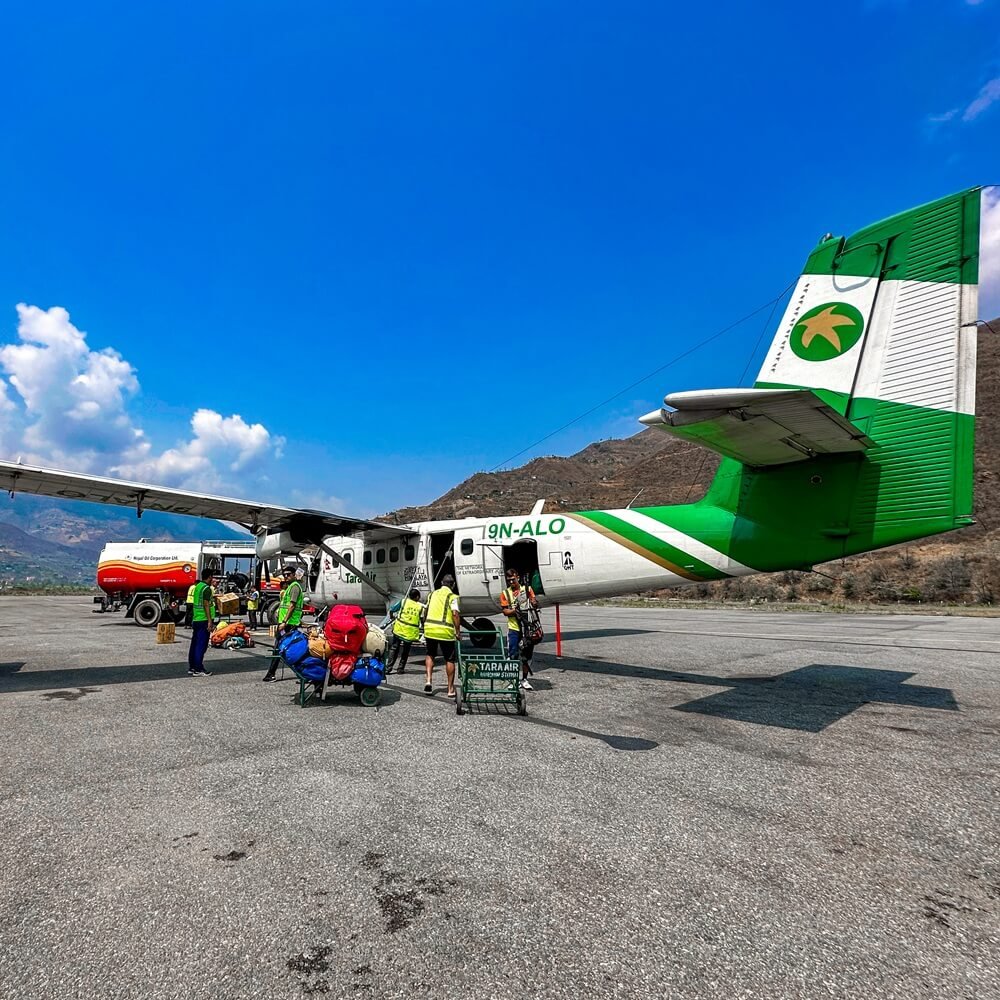
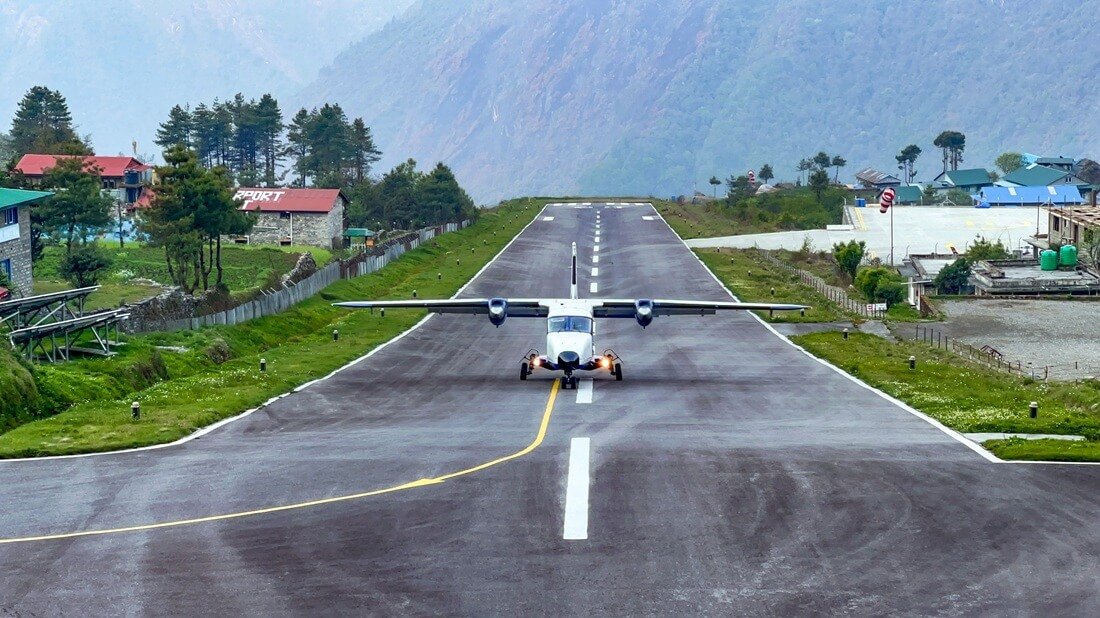
- Scenic mountain flight to Lukla.
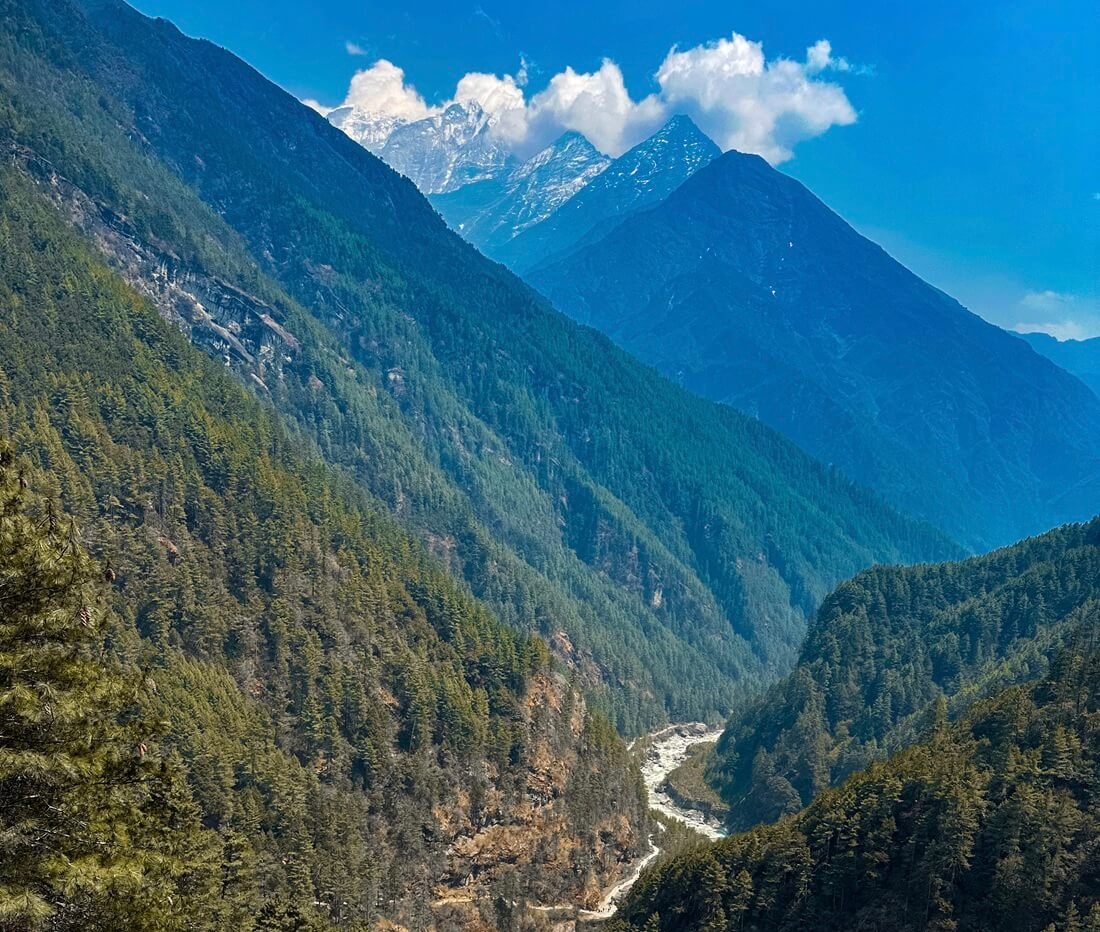
- Begin trek following Dudh Koshi River.
- Pass through Ghat village with prayer wheels and mani stones.
- Overnight in Phakding.
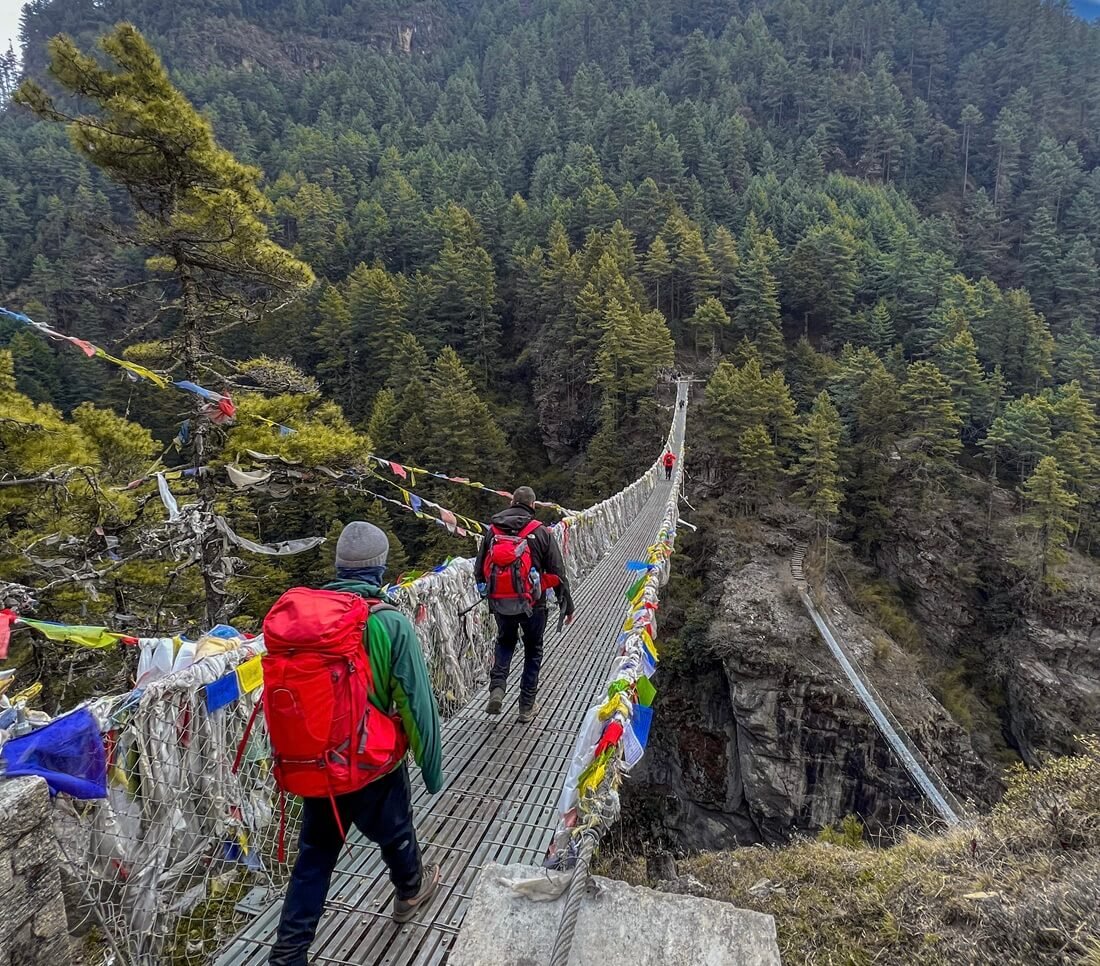
- Cross several suspension bridges including Hillary Bridge.
- Enter Sagarmatha National Park at Monjo.
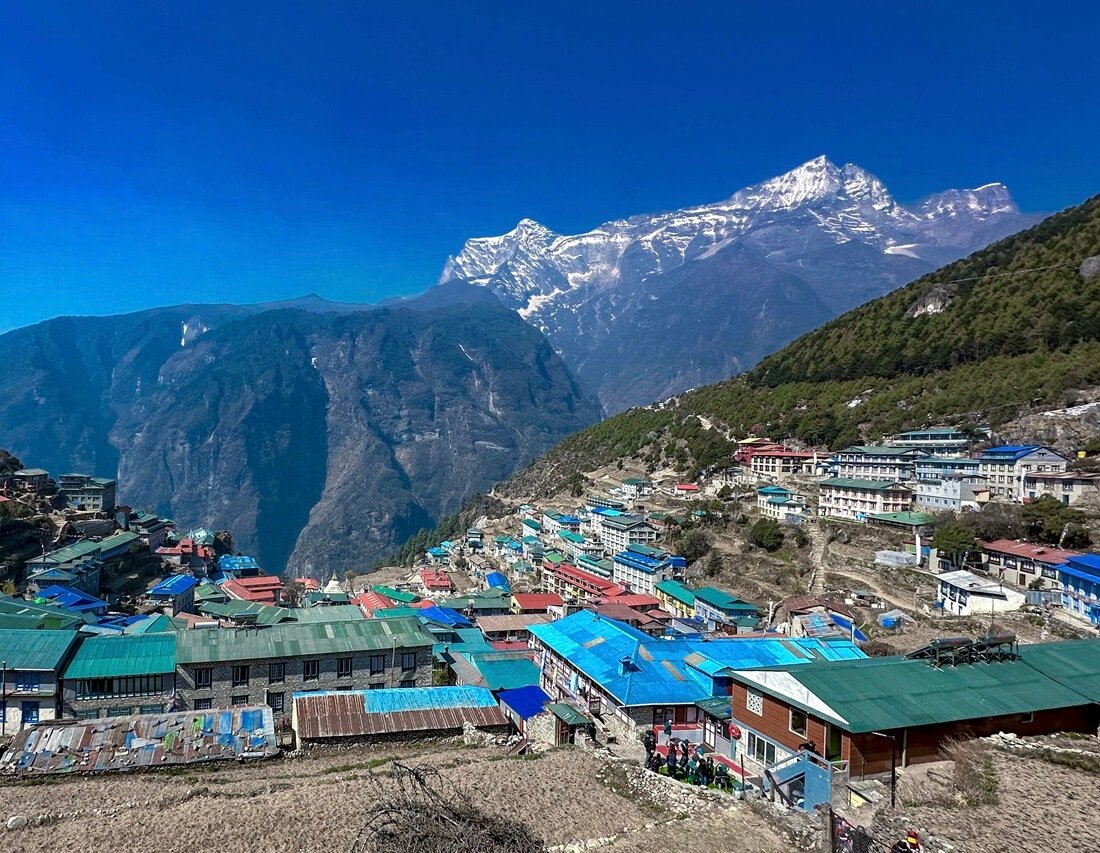
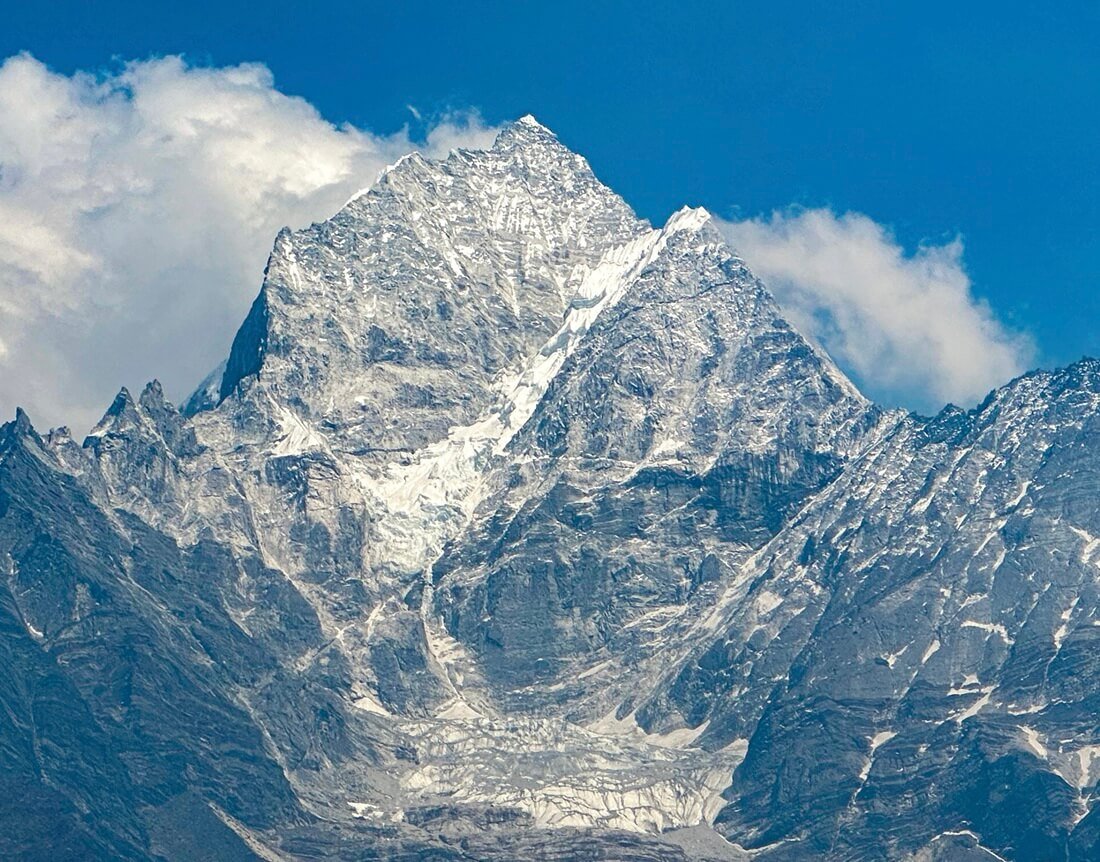
- Steep climb to Namche Bazaar with views of Thamserku.
- First clear glimpse of Everest on a clear day.
- Overnight in Namche Bazaar.
- Hike to Everest View Hotel (3,880m) for sunrise views of Everest.
- Visit Syangboche Airstrip and local monasteries.
- Explore local market and cafes.
- Optional walk to Khumjung village and Hillary School.
- Overnight in Namche.
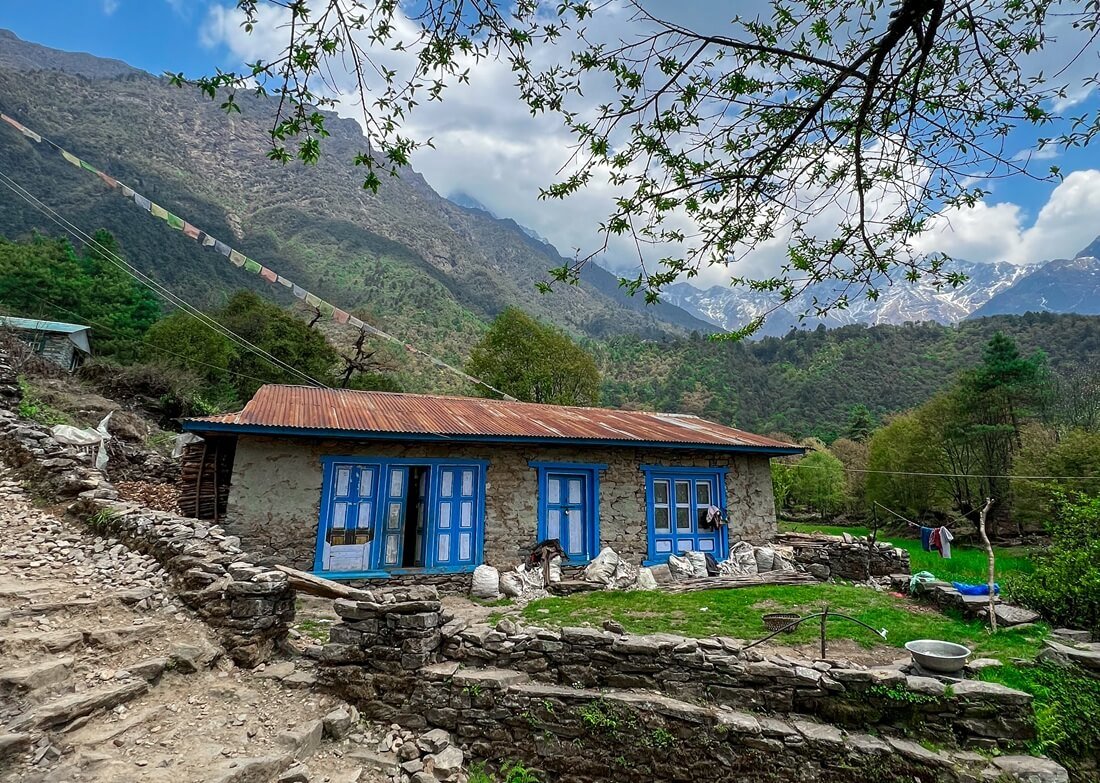
- Walk through forests of pine, fir, and rhododendron, passing the quiet settlement of Milinggo a serene spot ideal for a short rest and scenic views.
- Lunch at Phunki Thenga by the river.
- Final ascent to the hilltop village of Tengboche.
- Visit the renowned Tengboche Monastery, the largest in the Khumbu region,
- with breathtaking views of Everest, Ama Dablam, and other peaks.
- Overnight in Tengboche/Milinggo.
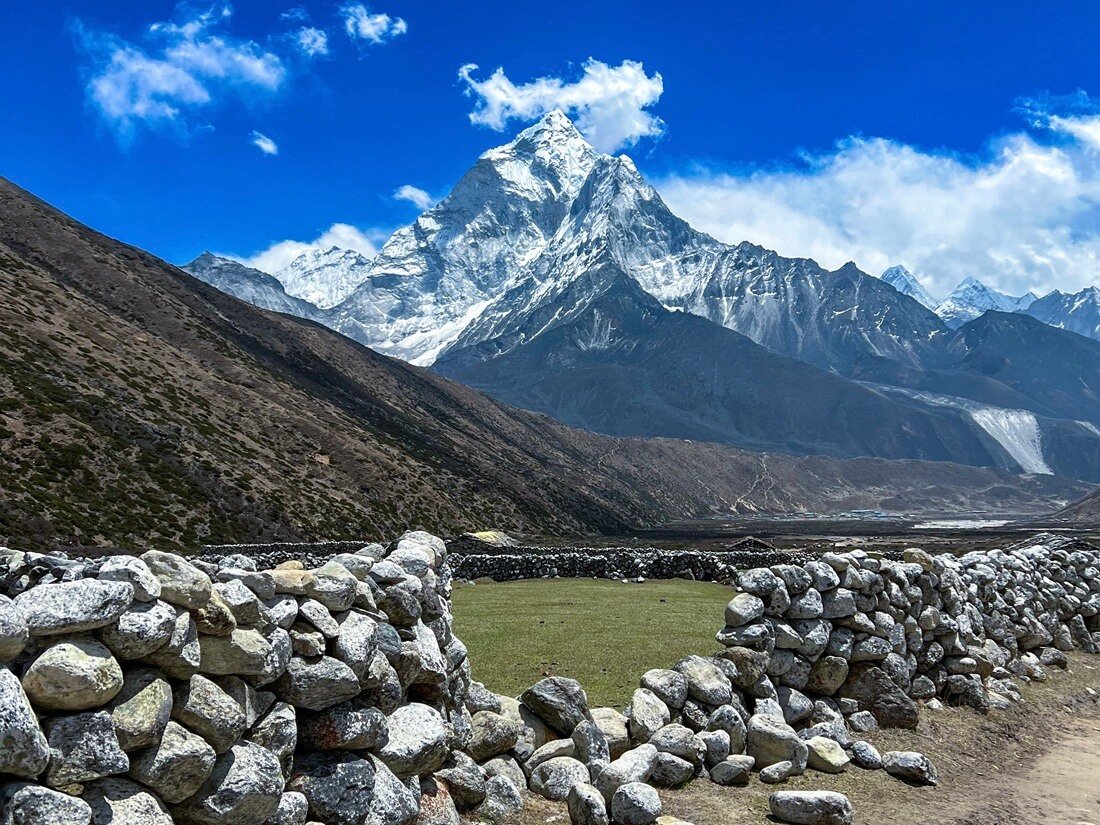
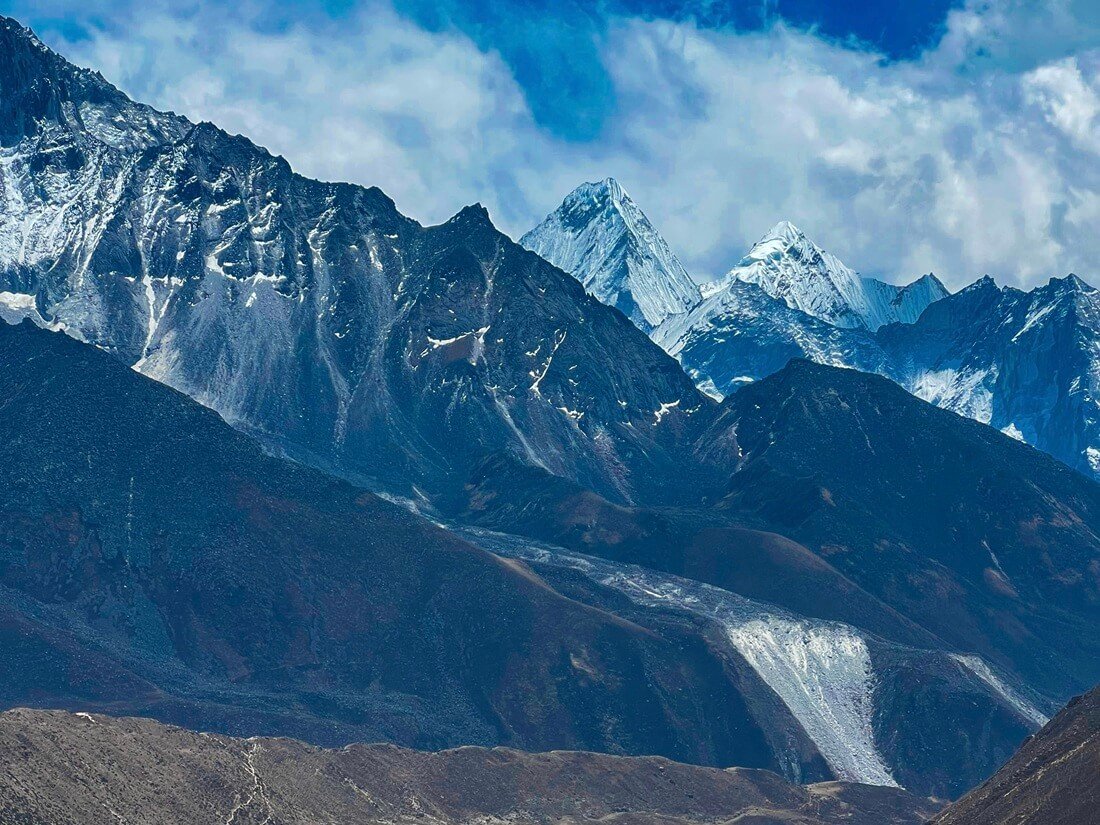
- Enjoy continuous views of Arma Dablam, one of the most beautiful peaks in the Himalayas, as you ascend through the trail.
- Cross Imja Khola and pass the village of Pangboche.
- Spot rare Himalayan wildlife like musk deer or pheasant.
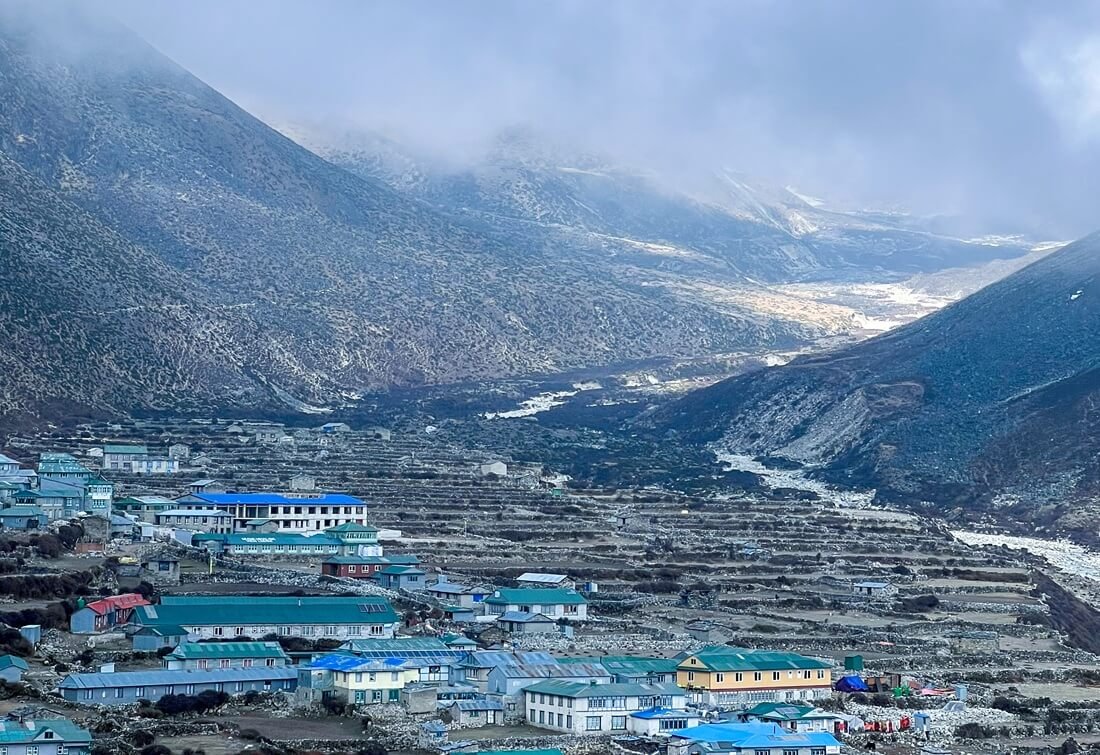
- Enter the wide valley of Dingboche with stone-walled fields.
- Overnight in Dingboche.
- Hike to Nagarjun Hill (5,100m) or Chhukung Valley.
- Learn about high-altitude adaptation.
- Enjoy panoramic views of Makalu and Island Peak.
- Rest and hydrate in the afternoon.
- Overnight in Dingboche.
- Steep climb up to Dughla Pass (Thukla Pass).
- Visit Everest Memorial Park dedicated to fallen climbers.
- Continue along Khumbu Glacier to reach Lobuche.
- Overnight in Lobuche.
- Start early to enjoy the fresh mountain air and clear skies.
- Witness dramatic landscapes shaped by glacial activity.
- Pass by the confluence of glaciers and frozen streams en route.
- Look out for expedition tents and prayer flags marking Everest Base Camp.
- Feel the energy of climbers preparing to summit the world’s highest peak.
- Trek along the moraine of the Khumbu Glacier.
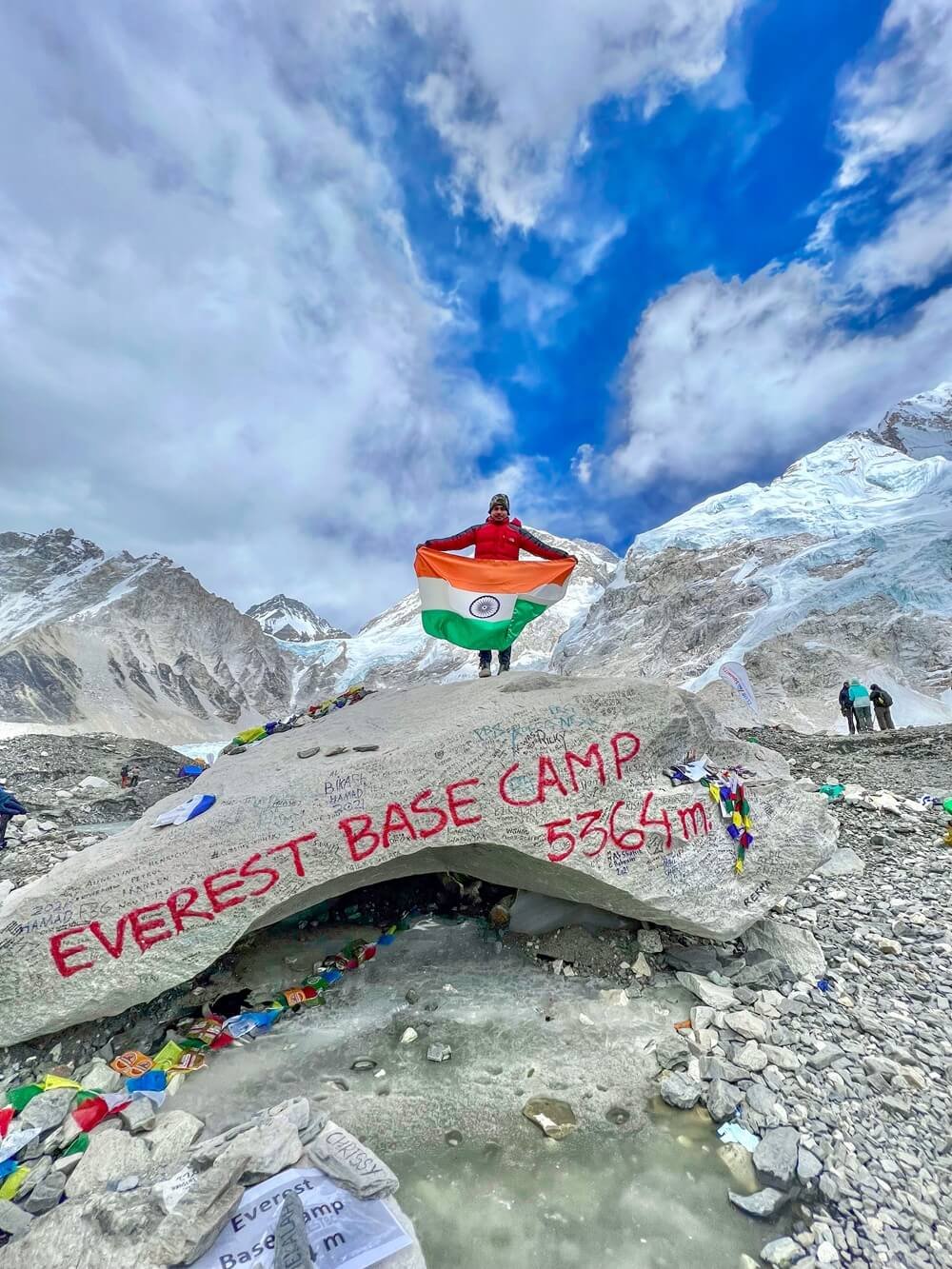
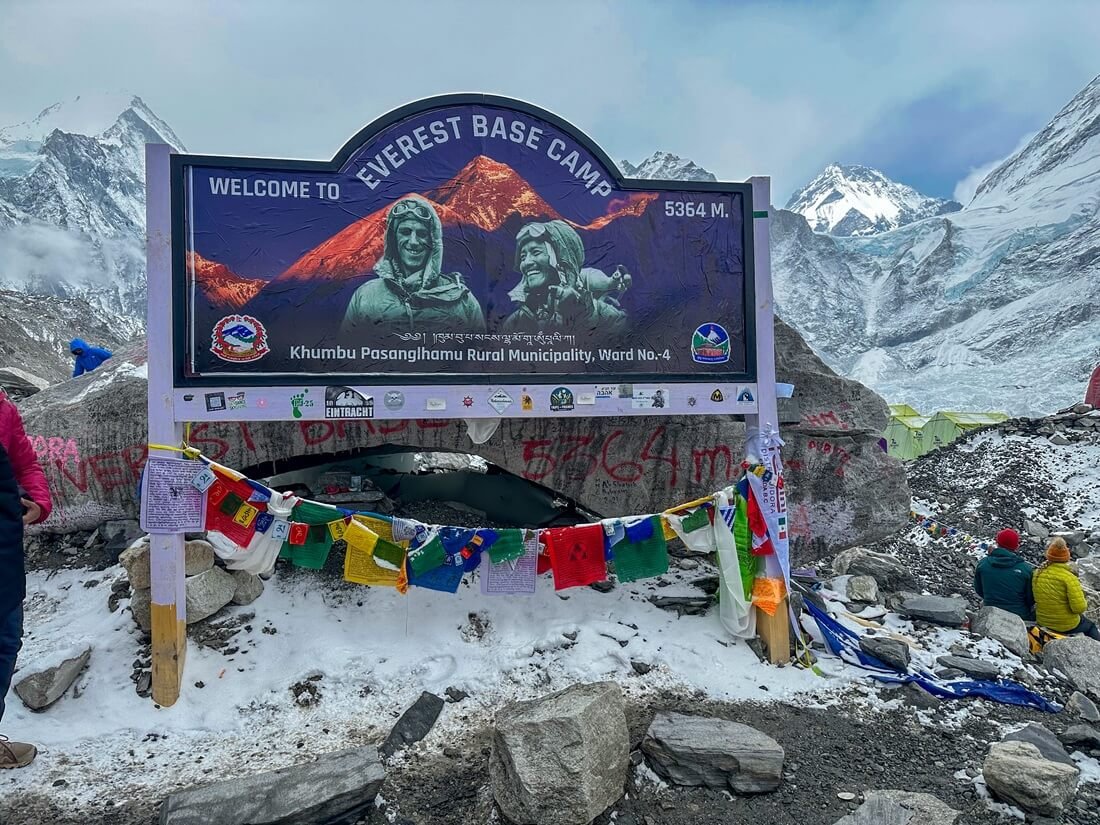
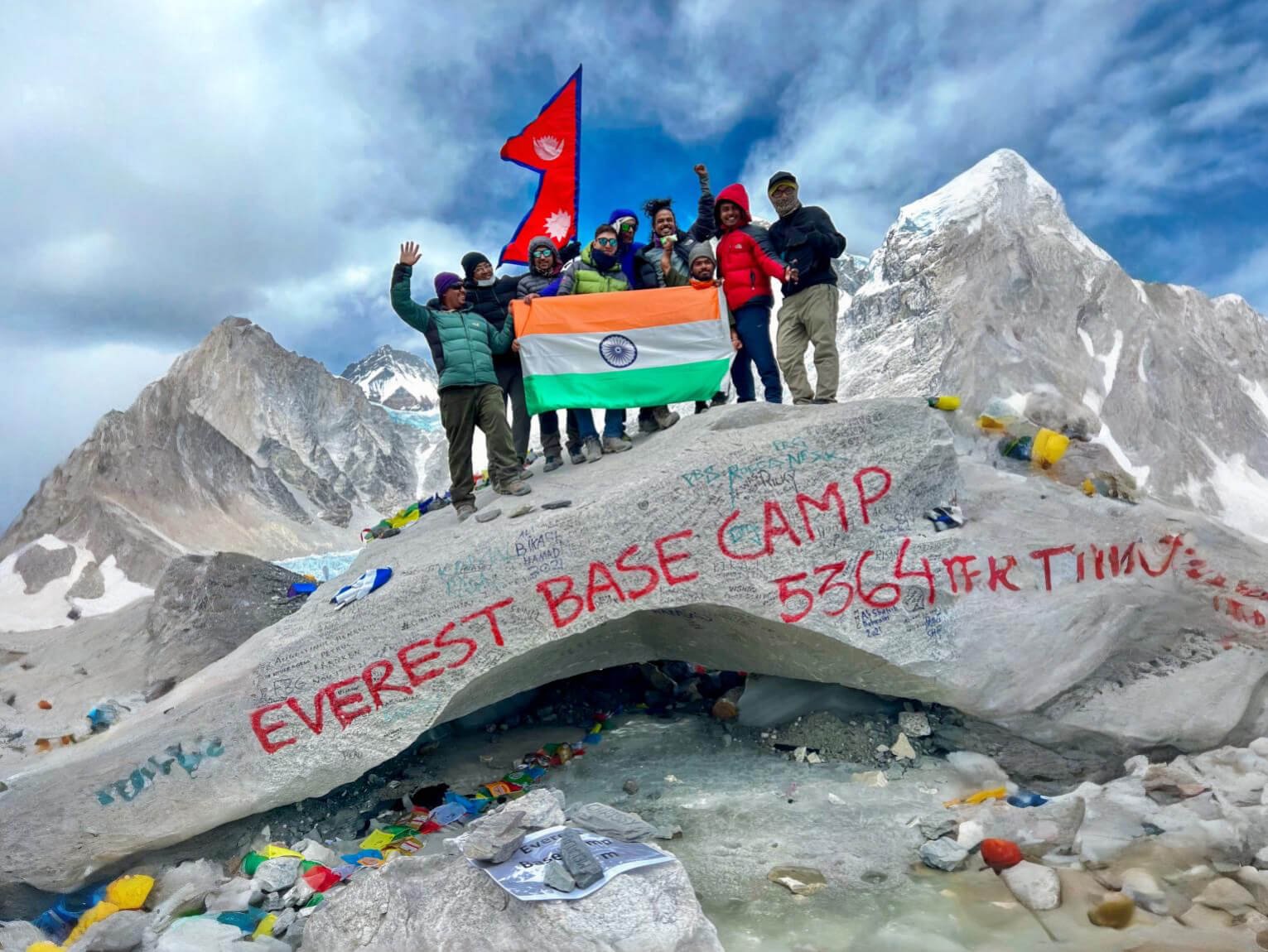
- Reach the iconic Everest Base Camp and celebrate.
- Take pictures with EBC rock and glacier background.
- Descend back to Gorak Shep for overnight stay.
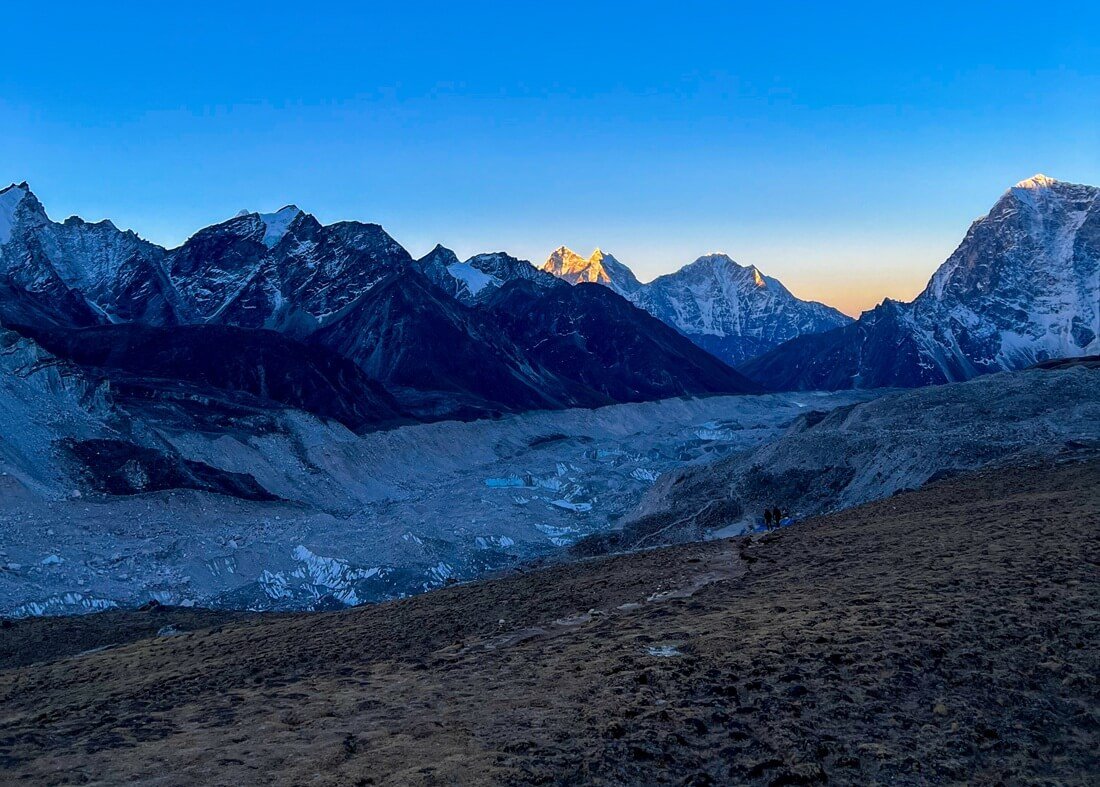
- Experience one of the most iconic sunrise moments over the Himalayas.
- The summit of Kala Patthar provides a 360-degree panorama of snow capped giants.
- Descend gradually to Pheriche via Thukļa.
- Observe the change in landscape as you descend to lower altitudes.
- Pheriche offers a peaceful valley setting, often used by mountaineers for acclimatization.
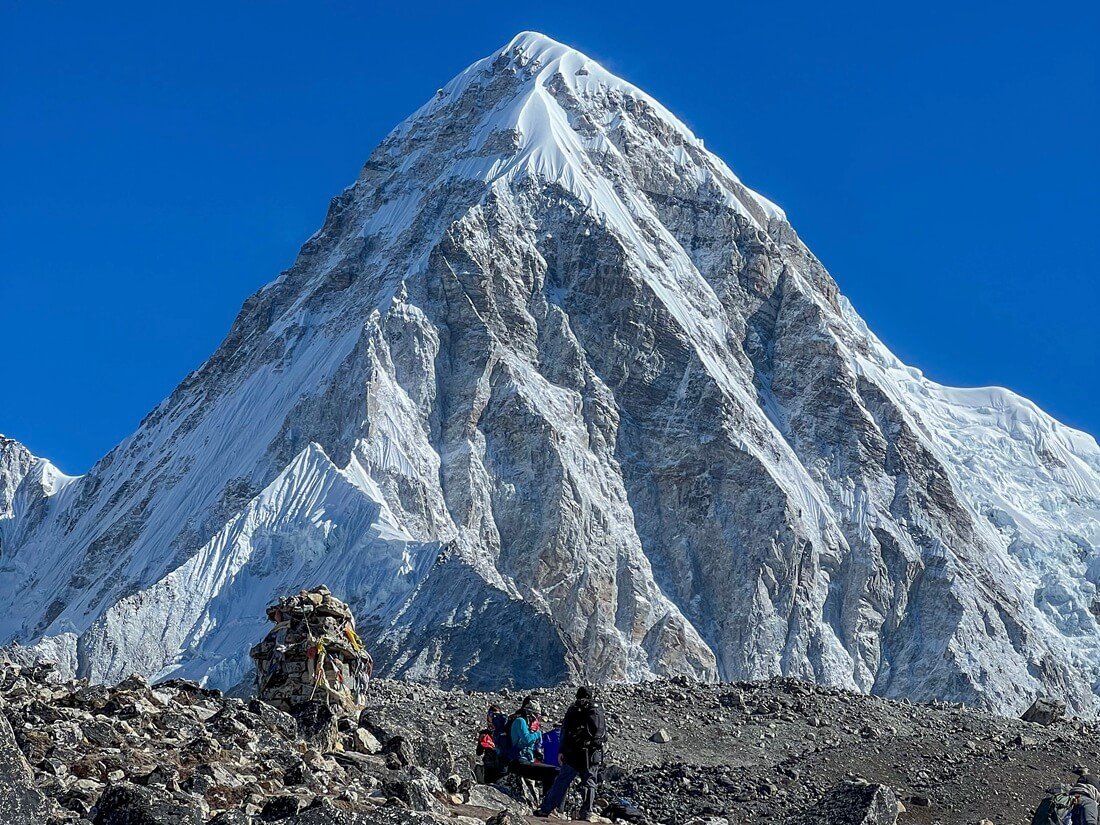
- Early morning climb to Kala Patthar for sunrise over Everest.
- Enjoy close-up views of Everest, Nuptse, and Pumori.
- Descend gradually to Pheriche via Thukla.
- Overnight in Pheriche/Pangboche.
- Retrace steps through Pangboche and Tengboche.
- Cross suspension bridges and alpine forests.
- Reach bustling Namche for the night.
- Overnight in Namche
- Long descent alongside Dudh Koshi River.
- Final climb to Lukla through villages and forests.
- Celebrate your successful trek with your team.
- Overnight in Lukļa.
- Transfer back to your hotel.
- Enjoy a leisure day with local sightseeing or souvenir shopping.
- Optional farewell dinner.
- Overnight in Kathmandu.
- Transfer to Tribhuvan International Airport.
- End of the Everest Base Camp adventure.
Inclusions & Exclusions
- 2-Night stay in Kathmandu (1 night before and 1 night after the trek)
- Domestic flights (Kathmandu – Lukla – Kathmandu)
- All necessary trekking permits (Sagarmatha National Park Permit & TIMS card)
- Accommodation in tea houses/lodges during the trek
- Experienced trekking guide and porter services
- All meals (breakfast, lunch, and dinner) during the trek
- First aid medical kit and emergency support
- Government taxes and service charges
- International airfare to/from Nepal
- Nepal visa fees
- Travel insurance (mandatory)
- Personal trekking gear and equipment
- Additional snacks, beverages, and bottled water
- Hot showers and Wi-Fi (available at extra cost in lodges)
- Tips for guides and porters
- Extra expenses due to unforeseen circumstances (e.g., natural disasters, flight delays, personal emergencies)
Things to Carry
Packing the right gear is essential for a successful and comfortable trek. Below are the essentials you should carry
Clothing
- Woolen base layers (tops and bottoms)
- Insulating mid-layers (fleece or down jackets)
- Waterproof and windproof outer shell
- Trekking pants and thermal leggings
- Warm gloves, hat, and buff/scarf
Footwear
- Sturdy, waterproof trekking shoes
- Several pairs of woolen socks
- Lightweight camp shoes for lodges
Gear & Accessories
- Backpack (40-50L) with rain cover
- Sleeping bag -10°C to-20°C (if needed)
- Trekking poles
- Headlamp with extra batteries
- Sunglasses with UV protection
- Sunscreen and lip balm with SPF
- Reusable water bottles and water purification tablets
Health & First Aid
- Personal medications and first aid kit
- Diamox (for altitude sickness prevention)
- Blister treatment (band-aids, tape)
Miscellaneous
- Snacks and energy bars
- Camera or phone for capturing memories
- Cash (ATMs are limited in remote areas)
Things to Remember
- Overstay due to weather conditions or flight cancellations will incur extra costs.
- Train adequately before the trek to improve endurance and stamina.
- Hydrate frequently to prevent altitude sickness; carry a reusable water bottle.
- Follow the guidance of your trekking guide for safety and navigation.
- Respect the local culture and environment; avoid littering and be mindful of wildlife.
- Always carry some local currency as ATMs are scarce in remote areas.
- Weather conditions can change rapidly; be prepared for sudden temperature drops.
- Carry a copy of important documents such as passport and insurance.
- Mobile network and internet availability are limited; inform family beforehand.
- Trekking insurance covering high-altitude evacuation is highly recom-mended.
- Maintain a steady pace and listen to your body to avoid altitude sickness.
Additional Notes:
- Best Seasons: Spring (March-Mid June) & Autumn (September-November).
- Approximate Trekking Distance: 130 km
- Trek Difficulty: Moderate to challenging.
- Permits Required: Sagarmatha National Park Permit & TIMS card.
- Acclimatization: Important to prevent altitude sickness.
Cancellation Policy
- At Camp in Himalayas, we understand that travel plans can change. Our cancellation policy ensures fairness and transparency for all trekkers:
- Cancellation 30+ days before departure: Full refund minus service charges.
- Cancellation 15-29 days before departure: 50% refund of total trip cost.
- Cancellation 14 days prior to the trek: No refund.
- Trip postponement: Allowed with a rescheduling fee.
- Force Majeure (natural disasters, political unrest, etc.): Partial refund or rescheduling option available.
- Booking Transfer: Trekkers can transfer their booking to another person if unable to attend, subject to prior notice and approval.
For any cancellations, please contact us as soon as possible.
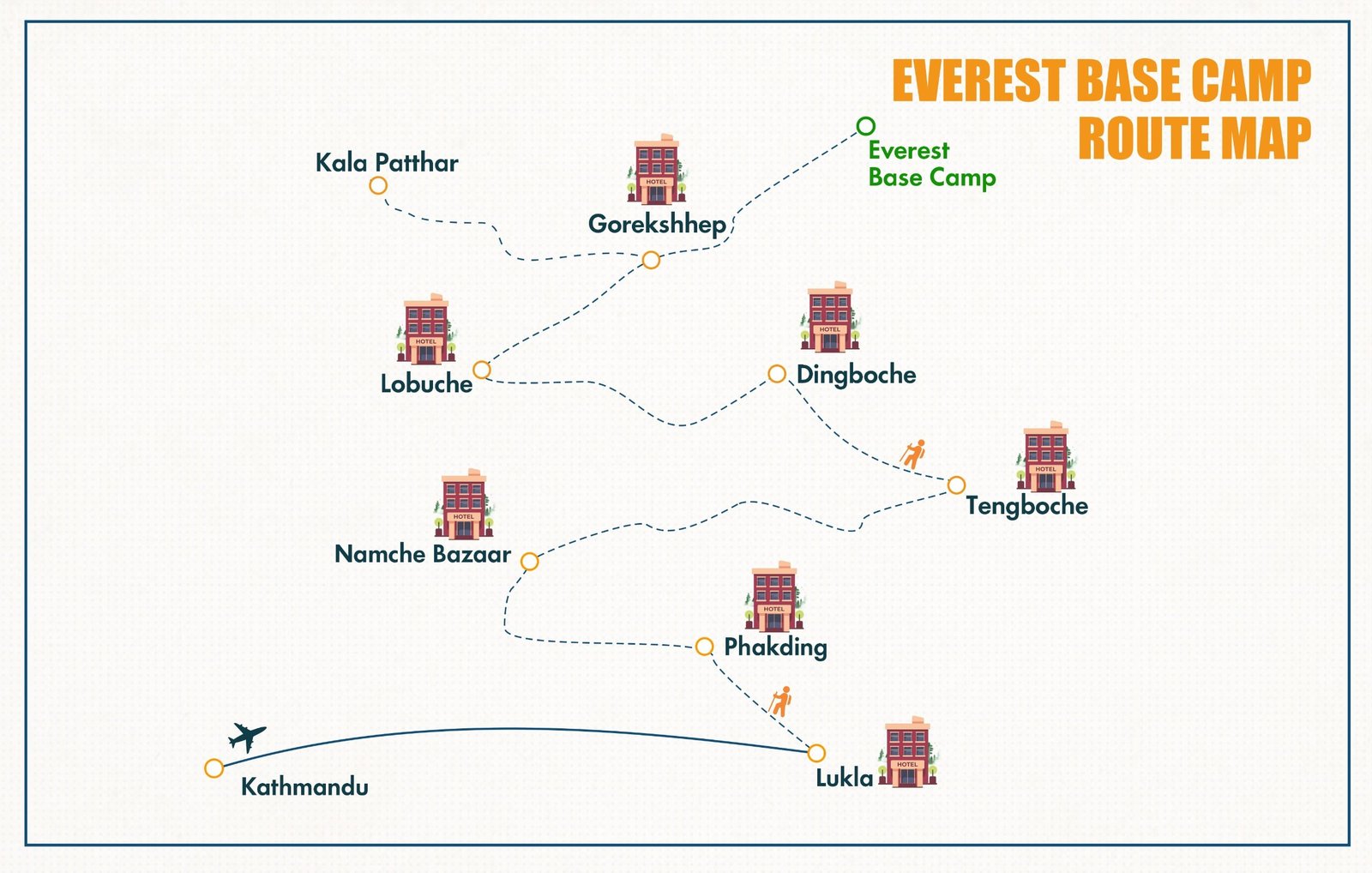
Trek Map
FAQ's
Most easy–moderate treks require you to comfortably walk 8–10 km per day with a backpack. If you can jog 3–4 km in 25–30 minutes without stopping, you’re good to start.
Choose treks with 5–6 days total, max altitude ≤ 12,000 ft, and daily altitude gain ≤ 600–800 m. Examples: Kedarkantha, Dayara Bugyal, Triund, Hampta Pass (easier season).
- Layering: base + fleece + padded jacket
- Waterproof shell (jacket & pants)
- Trekking shoes, 3–4 pairs of socks
- Gloves, beanie, sun cap
- 1–2L water bottle or hydration pack
- Headlamp, sunscreen (SPF 50), lip balm
- Personal meds & basic first-aid
Trekking shoes (ankle support, stiffer sole) are safer on rocky or snowy terrain. Trail runners are lighter and fine for dry, well-made trails.
- Ascend gradually; hydrate well
- Eat light, avoid alcohol & smoking
- Know symptoms: headache, nausea, fatigue, loss of appetite
- Tell your leader early—do not ignore signs
- Follow evacuation & medication protocol advised by your trek operator/doctor
Highly recommended. Pick a policy covering high-altitude trekking, evacuation, trip cancellation, and medical expenses.
Wake up by ~6 am, hot breakfast, hike 4–6 hours with snack breaks, reach camp by early afternoon, hot lunch, rest/side walks, early dinner, and sleep by 9 pm.
Expect dry pit or bio-toilets at camps. Carry toilet paper, hand sanitizer, and a personal hygiene kit. Follow Leave No Trace principles.
Yes, with trek-specific seasons: monsoon = lush meadows but slippery trails; winter = snow & cold, need proper gear. Always check seasonal suitability.
3–4 weeks out: 4–5 days/week of brisk walking or jogging + 2 days of strength (squats, lunges, core) + one long hike each week if possible.
start_date.Reviews
Write a review
Other Famous Treks
- Uttarakhand
- 7D / 6N
- 15,069 ft (4,594 m)
- 40 km
- Uttarakhand
- 6D / 5N
- 15,200 ft (4,633 m)
- 40 km
- Himachal Pradesh
- 5D / 4N
- 14,100 ft (4,298 m)
- 26 km