start_date.Har ki Dun Trek
The Har Ki Dun Trek is a breathtaking adventure in the Garhwal Himalayas, offering stunning views of Swargarohini, Bandarpoonch, and Black Peak. This trek takes you through ancient villages, lush meadows, dense pine forests, and glacial basins, making it a paradise for nature lovers and photographers. With its rich history and mythological significance, Har Ki Dun is a must-do for trekkers of all levels.
Itinerary
- Start early from Dehradun and drive through scenic landscapes of Mussoorie, Purola, and Mori.
- Arrive in Sankri, a beautiful village and the base for multiple treks.
- Explore the village and enjoy local cuisine.
- Overnight Stay: Guesthouse in Sankri
- Altitude Gain: 6,400 ft
- Drive from Sankri to Taluka, the trek’s starting point.
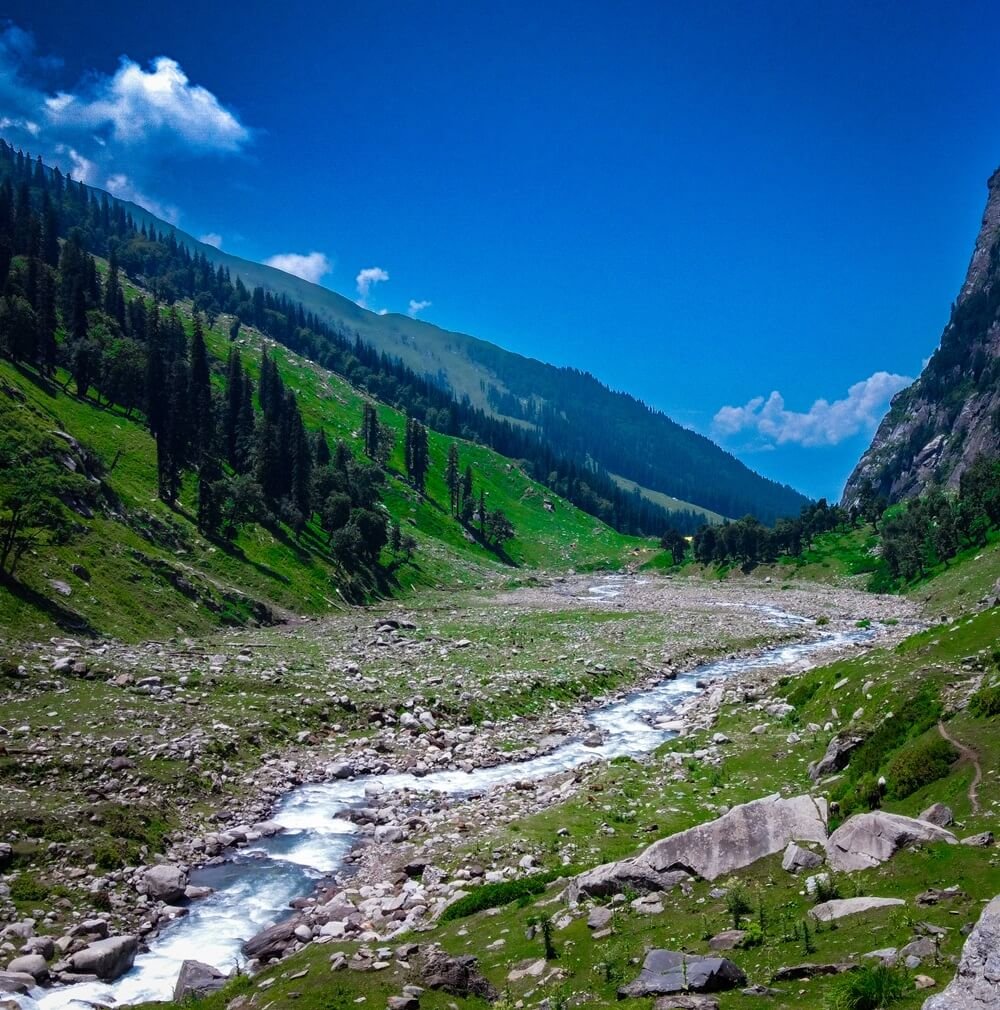
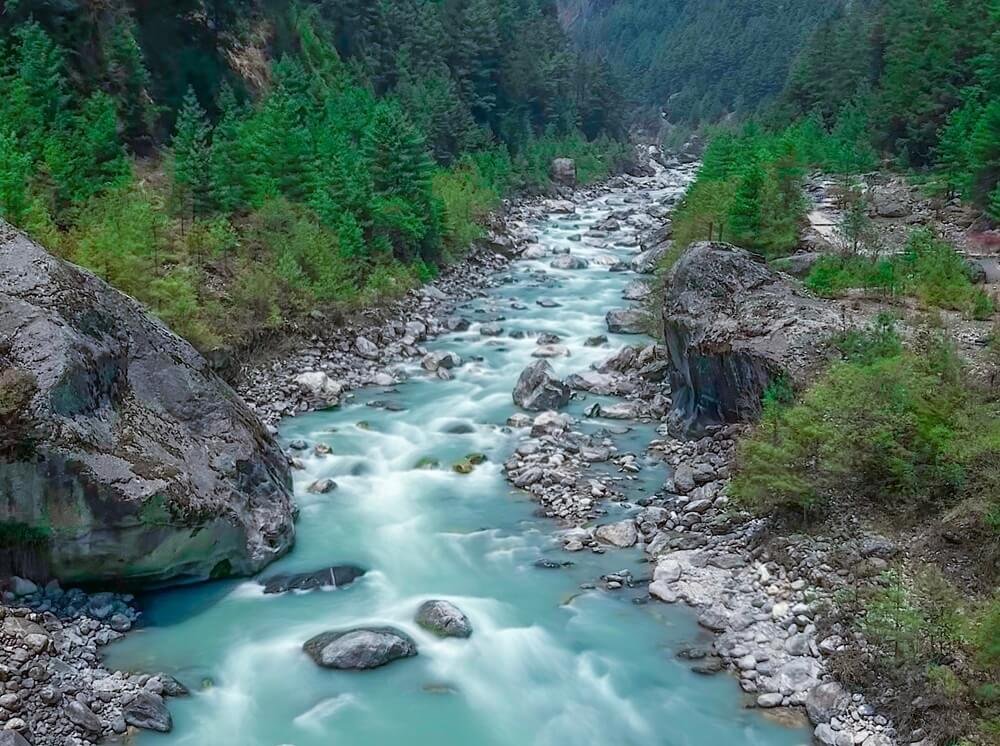
- Walk along the Supin River through dense pine and walnut forests.
- Cross wooden bridges and waterfalls before reaching the village of Gangad, a small but picturesque Himalayan settlement.
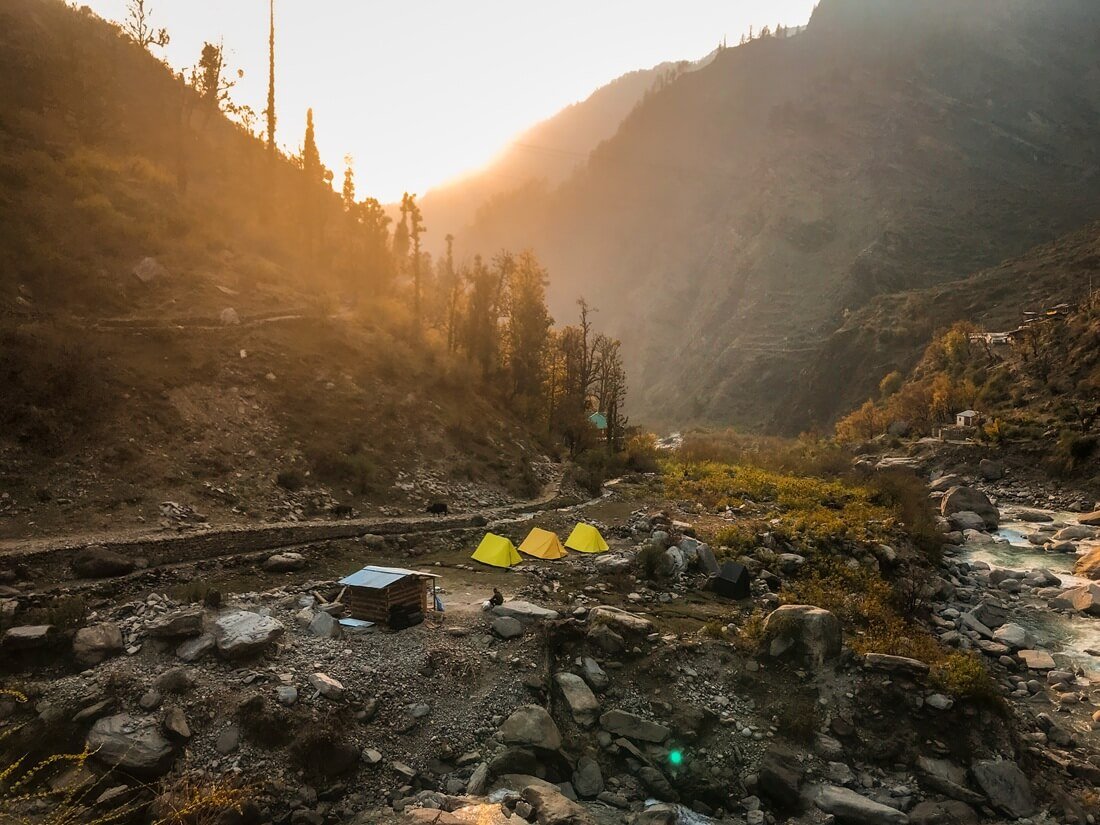
- Overnight Stay: Tents in Gangad
- Altitude Gain: 7,800 ft
- Trek through alpine forests and meadows with stunning views of snow-capped peaks.
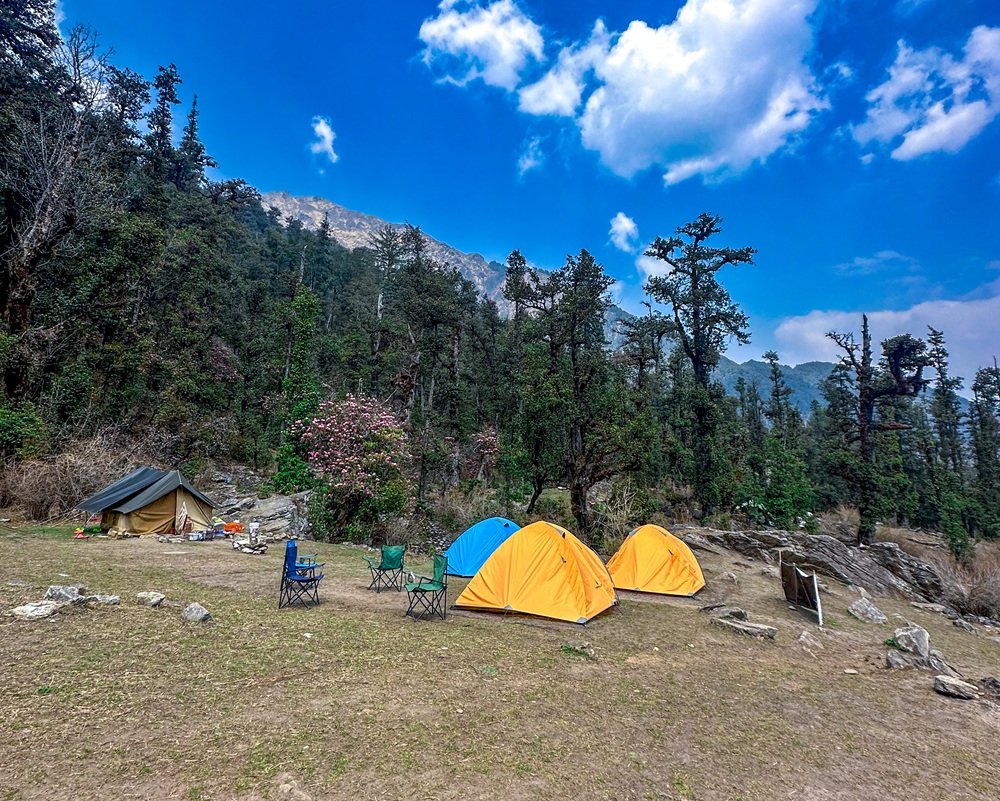
- Gradual ascent towards Kalkatidhar, a serene camping spot offering breathtaking panoramic views.
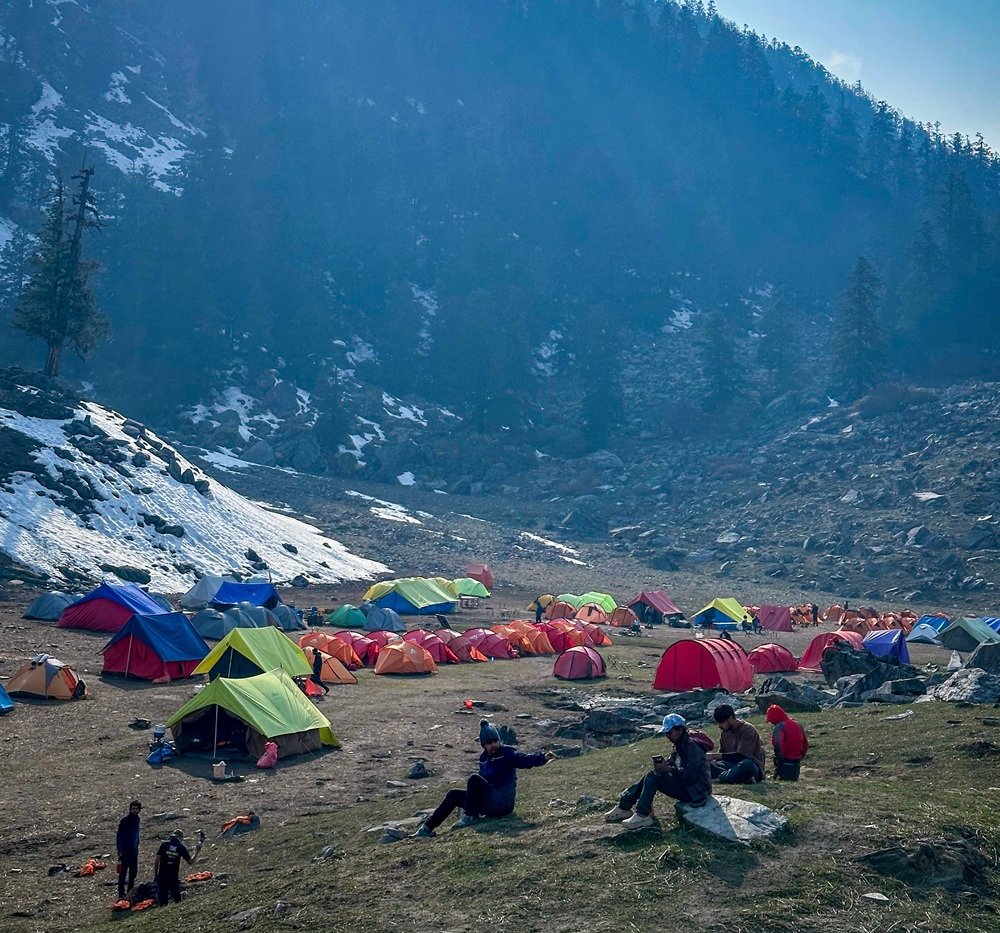
- Overnight Stay: Tents in Kalkatidhar
- Altitude Gain: 9,200 ft
- Ascend gradually through lush meadows and moraine patches.
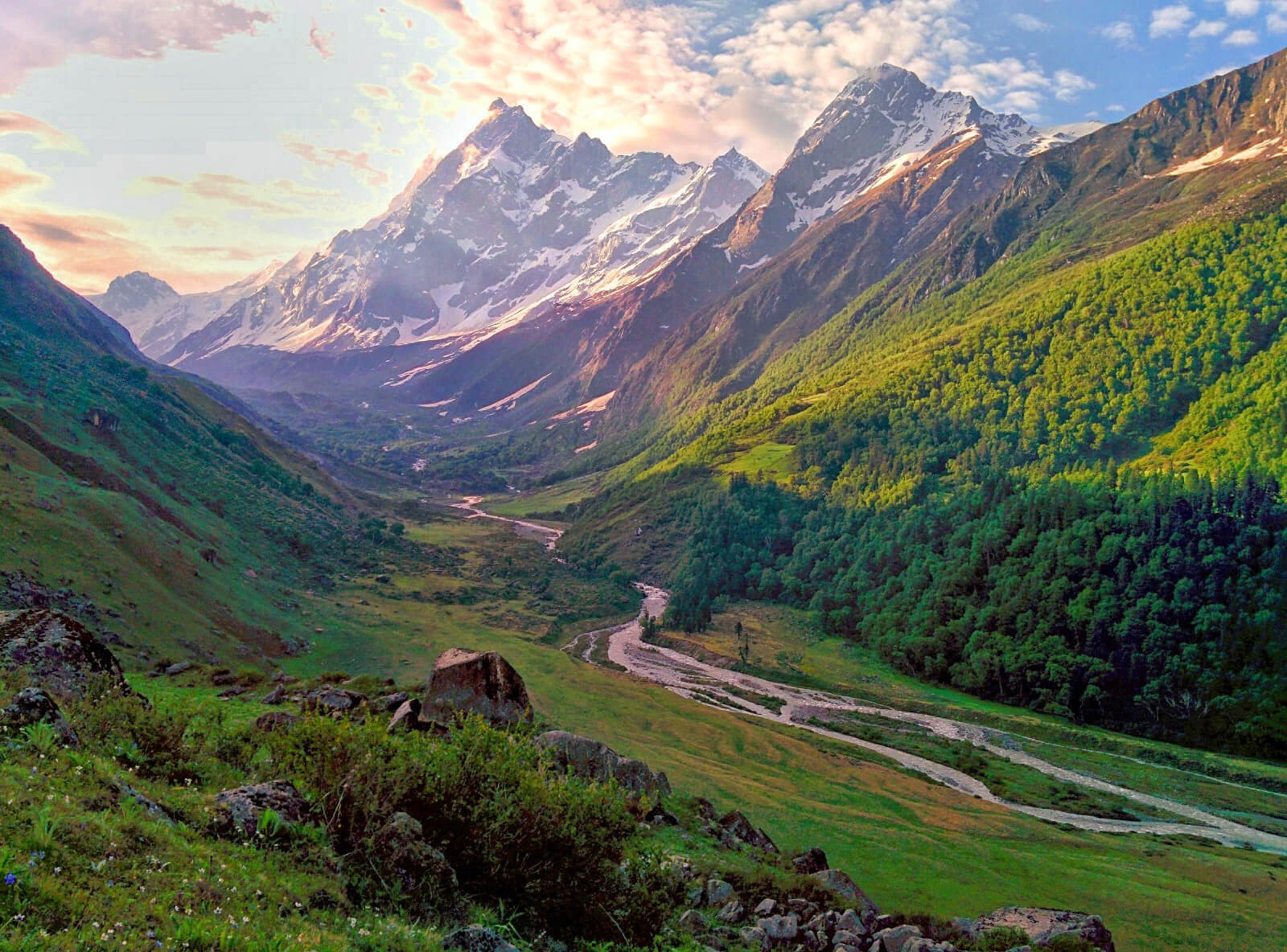
- Enjoy stunning views of Swargarohini peaks as you enter the Har Ki Dun Valley.
- Spend time exploring the valley, soaking in its breathtaking scenery.
- Visit the Har Ki Dun river basin, a mesmerizing spot where the glacial waters form small, clear streams.
- Spot rare Himalayan wildlife, such as Monal pheasants, Bharal (blue sheep), and musk deer, adding to the adventure.
- Trek back to Kalkatidhar for the night.
- Overnight Stay: Tents in Kalkatidhar
- Altitude Gain: 11,700 ft (Har Ki Dun), Return to 9,200 ft
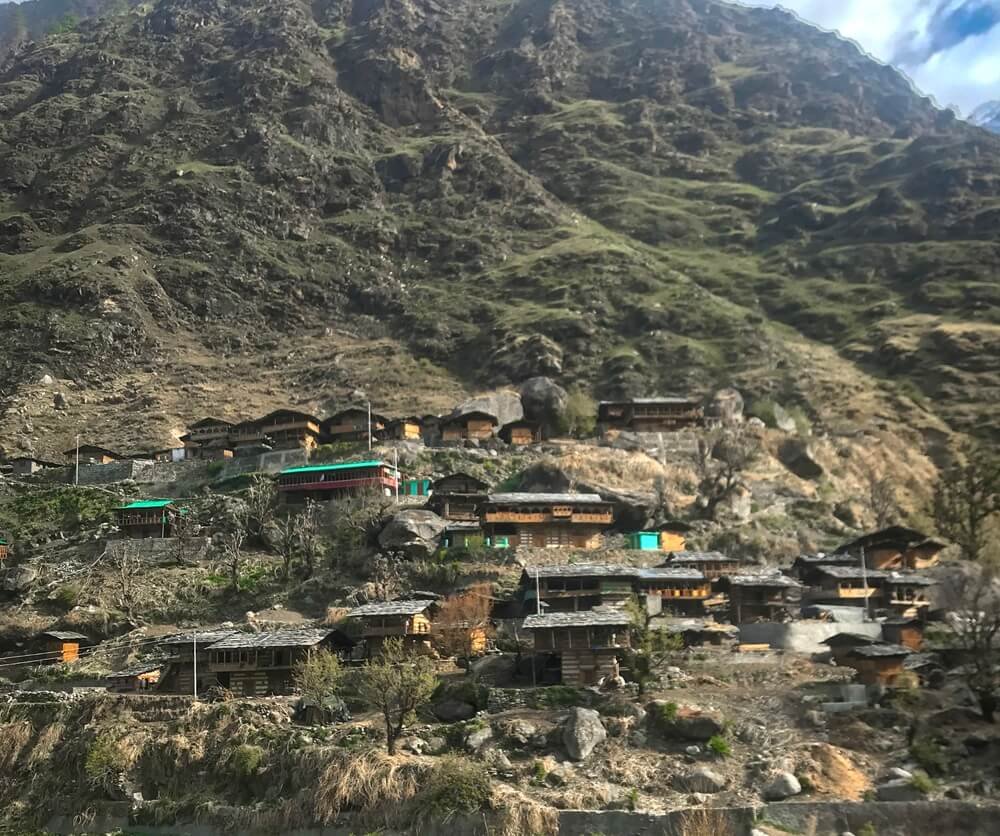
- Begin the descent back to Gangad, passing through Osla, a traditional Himalayan village known for its unique wooden architecture and cultural heritage.
- Osla is famous for its centuries-old Someshwar Mahadev Temple, believed to be
- dedicated to Duryodhana, the Kaurava prince from the Mahabharata.
- Experience the local culture, interact with villagers, and witness their traditional lifestyle and attire.
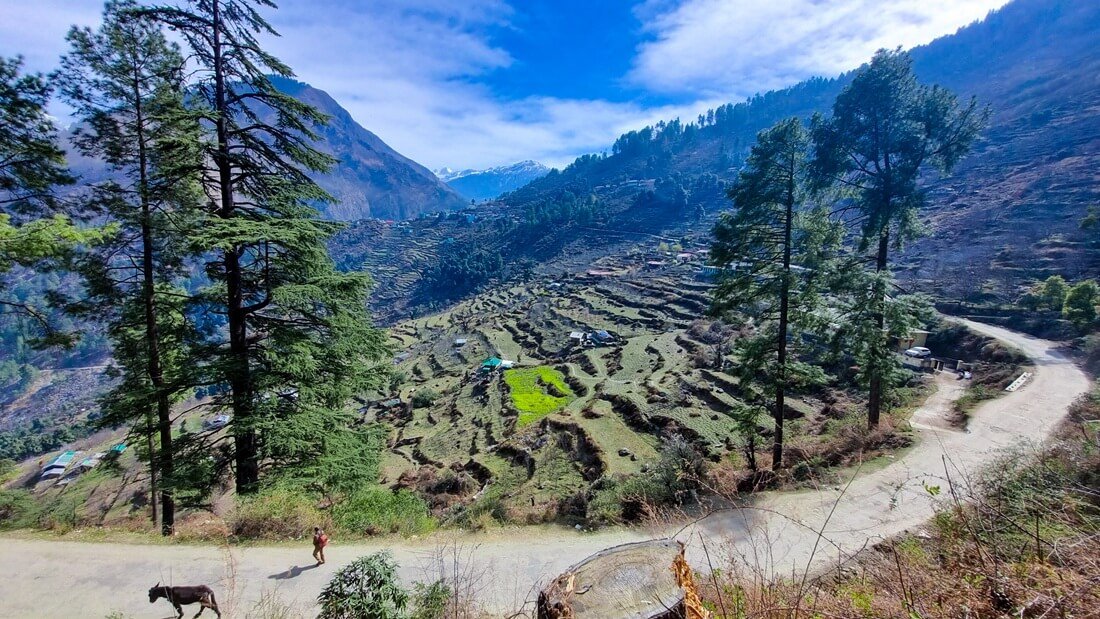
- Enjoy the scenic trail alongside the Supin River, with mesmerizing views of terraced fields and wooden homes built in a unique architectural style.
- Osla is also known for its ancient folklore, warm hospitality, and unique wooden carvings on houses.
- After exploring Osla, continue the descent to Gangad, another charming village along the Supin River.
- Gangad is a lesser-known but equally beautiful village, offering a serene and untouched experience.
- Spend the evening exploring Gangad’s traditional homes, interacting with the locals, and enjoying a peaceful sunset over the Himalayas.
- Overnight Stay: Tents in Gangad
- Complete the final trek back to Taluka.
- Drive back to Sankri, marking the end of the trekking journey.
- Overnight Stay: Guesthouse in Sankri
- Start early and drive back to Dehradun.
- Reach Dehradun by evening.
Inclusions & Exclusions
- Accommodation in guesthouses/tents on a 3-4 sharing basis during the trek
- All meals from dinner on Day 1 to breakfast on Day 7
- Experienced trek guide and support staff
- Trek permits and forest entry fees
- Transportation from Dehradun to Sankri and back
- Basic first-aid and oxygen support
- Trek completion certificate
- Tent, mat, and sleeping bag, crampons & gaitors (if needed) will be provided by the company
- Any additional stay beyond the itinerary
- Personal trekking gear (shoes, jackets, etc.)
- Bottled water and beverages
- Porter or mule charges for personal luggage
- Meals while transportation
- Anything not explicitly mentioned in the inclusions
- 5% GST
Things to Carry
- Trekking shoes
- Warm layers (thermal, fleece, down jacket)
- Waterproof jacket & pants
- Trekking pole
- Backpack (40-50L)
- Sunglasses, sunscreen, gloves, cap
- Water bottles & energy snacks
- First-aid kit & essential medicines
- Personal toiletries & towel
- Headlamp/torch
Things to Remember
- Carry a photocopy of your ID card, which needs to be submitted for trek registration.
- No refund will be initiated if the trek is canceled due to climate conditions, government regulations, or if the trekker cancels the trek by themselves during the journey.
- Follow trek leader’s instructions for a safe experience.
- Avoid littering; carry a trash bag for waste disposal.
- Stay hydrated and consume energy-rich snacks.
- Carry sufficient cash; ATMs are not available in remote areas.
- Respect local culture and traditions.
- Prepare for sudden weather changes by layering appropriately.
- Mobile network connectivity is limited; inform family in advance
Cancellation Policy
- Cancellation 30 days before departure: Full refund (minus processing charges)
- Cancellation 15-29 days before departure: 50% refund
- Cancellation less than 15 days before departure: No refund
- Trek Transfer: The trek can be transferred to another person if requested at least 7 days before departure. Any additional cost due to name changes in permits or logistics will be borne by the participant.
Note: The cancellation policy is subject to change based on weather conditions, government regulations, or unforeseen circumstances. In case of trek cancellation due to natural disasters or emergencies, alternative options or partial refunds may be provided.
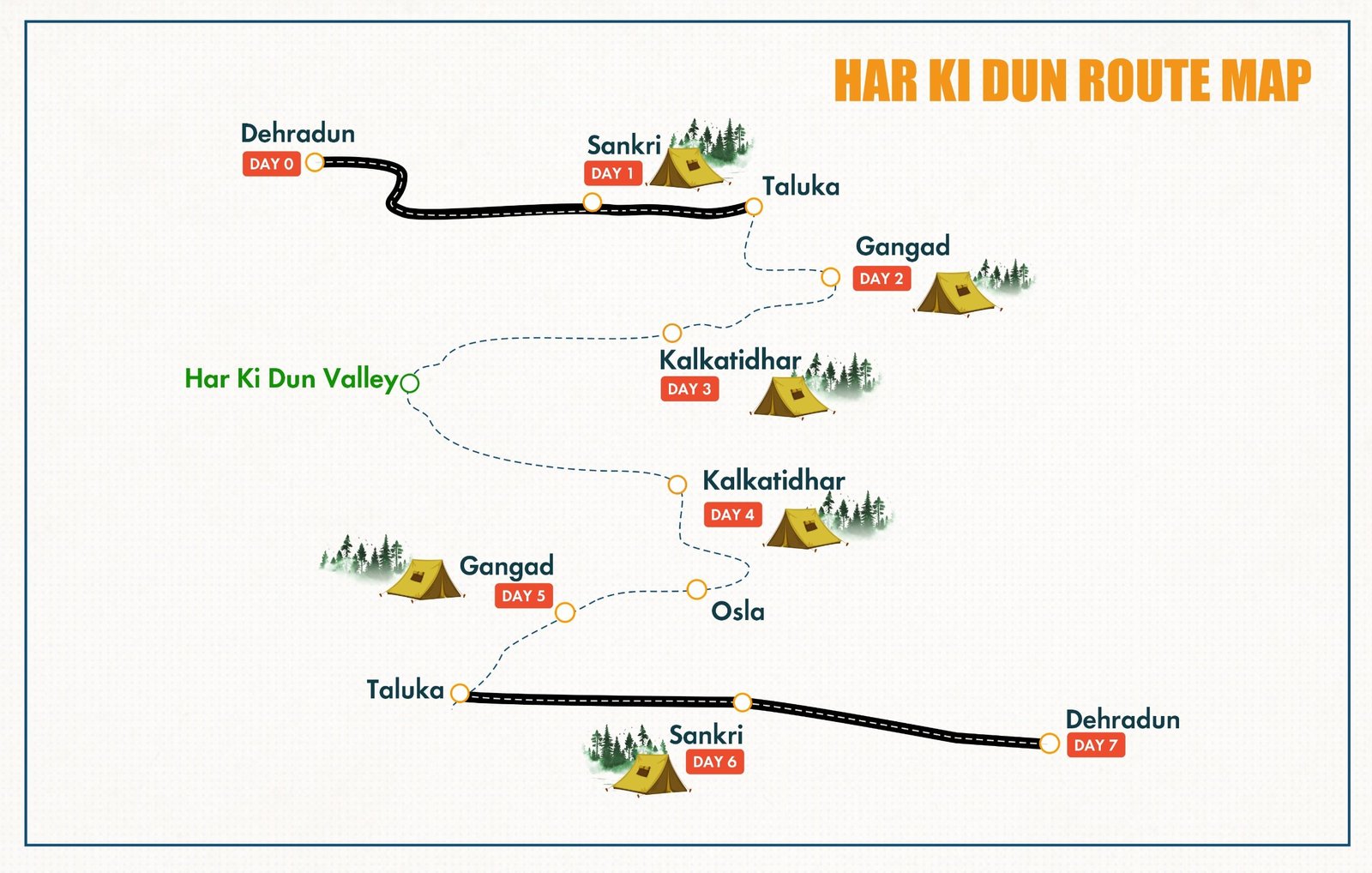
Trek Map
FAQ's
Most easy–moderate treks require you to comfortably walk 8–10 km per day with a backpack. If you can jog 3–4 km in 25–30 minutes without stopping, you’re good to start.
Choose treks with 5–6 days total, max altitude ≤ 12,000 ft, and daily altitude gain ≤ 600–800 m. Examples: Kedarkantha, Dayara Bugyal, Triund, Hampta Pass (easier season).
- Layering: base + fleece + padded jacket
- Waterproof shell (jacket & pants)
- Trekking shoes, 3–4 pairs of socks
- Gloves, beanie, sun cap
- 1–2L water bottle or hydration pack
- Headlamp, sunscreen (SPF 50), lip balm
- Personal meds & basic first-aid
Trekking shoes (ankle support, stiffer sole) are safer on rocky or snowy terrain. Trail runners are lighter and fine for dry, well-made trails.
- Ascend gradually; hydrate well
- Eat light, avoid alcohol & smoking
- Know symptoms: headache, nausea, fatigue, loss of appetite
- Tell your leader early—do not ignore signs
- Follow evacuation & medication protocol advised by your trek operator/doctor
Highly recommended. Pick a policy covering high-altitude trekking, evacuation, trip cancellation, and medical expenses.
Wake up by ~6 am, hot breakfast, hike 4–6 hours with snack breaks, reach camp by early afternoon, hot lunch, rest/side walks, early dinner, and sleep by 9 pm.
Expect dry pit or bio-toilets at camps. Carry toilet paper, hand sanitizer, and a personal hygiene kit. Follow Leave No Trace principles.
Yes, with trek-specific seasons: monsoon = lush meadows but slippery trails; winter = snow & cold, need proper gear. Always check seasonal suitability.
3–4 weeks out: 4–5 days/week of brisk walking or jogging + 2 days of strength (squats, lunges, core) + one long hike each week if possible.
start_date.Reviews
Write a review
Other Famous Treks
- Uttarakhand
- 7D / 6N
- 15,069 ft (4,594 m)
- 40 km
- Uttarakhand
- 6D / 5N
- 15,200 ft (4,633 m)
- 40 km
- Himachal Pradesh
- 5D / 4N
- 14,100 ft (4,298 m)
- 26 km